Waste-To-Energy Plants While Aiding To Boost Energy Production Contribute To Carbon Emission
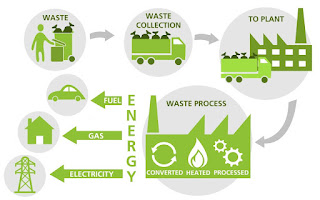
Waste-To-Energy is the procedure of converting waste to energy in the form of heat and/or electricity. It involves the use of heat exchangers, in order to convert solid waste to gas, liquid fuel, and eventually electricity. In other words, it is an efficient process to use waste materials in generating electricity at a lower cost. Waste-To-Energy is increasingly being used worldwide as an effective means of reducing landfill wastes, and as a useful source of renewable energy. Waste-to-energies are also being used to create hydrogen for electrolysis, thus, providing an environmentally friendly way to generate electricity. Waste-to-electricity plants have several advantages over traditional power plants. Waste-to-electricity plants can produce clean energy that is free from all the hazardous by-products of traditional electricity generation. Another advantage is that the generated electricity is eco-friendly. This is because less fossil fuels are consumed and thus, ...